


First Family and Insecurity: From 'Where Are the Cows?' to 'Are You in PDP? Ehn? Are You a Wolf in Sheep's Clothing?' – A Tale of Deflection and Denial
THE WARNINGS WE MOCKED, THE SIGNS WE IGNORED, AND THE INSECURITY NOW AT OUR DOORSTEP

I could not sleep well last night when I remembered how a teacher was beheaded simply for doing his job, going to school to teach pupils who will become the leaders of tomorrow.
Those children were kidnapped, and the man who stood before them to educate them paid the ultimate price.
The pupils are still in the hands of those the government sugarcoats as prodigal sons instead of calling them what they are, violent groups responsible for severe harm, loss of life, and human rights violations.
It is painful to think that those governing the country today were also taught by teachers, yet insecurity has grown to the point where even educators are no longer safe.
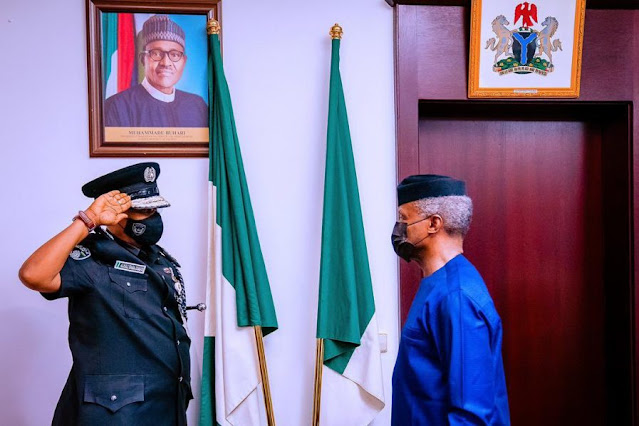
This reminded me of an article I once wrote as a warning when some politicians, including the now First Family, began turning insecurity into a political tool while aiming to become the number one citizens of the country.
They achieved their ambition, but they cannot erase the insecurity they once played politics with.
Instead of taking responsibility, they now try to shift the blame elsewhere, even though they cannot openly blame the former regime because they belong to the same political party, unless they are doing so quietly behind the scenes.
They and their supporters were the same people we warned to separate politics from insecurity.
Insecurity is completely different from the economy. It is not something to joke with, sugarcoat, or use for political advantage.
THE POLITICISATION OF INSECURITY
Insecurity in Nigeria has been worsening for more than fifteen years, yet instead of treating it as a national emergency, many political actors have turned it into a tool for politics.
The lives of citizens have become talking points, and the suffering of communities has been used to score political arguments rather than inspire decisive action.
As someone who has a background in and has studied Peace and Conflict Studies, International Relations, Human Rights, Children's Rights, Business Administration and Management, Conflict Management, International Migration and Ethnic Relations, and Caucasian Studies, and is currently doing research in Global Politics, I have followed Nigeria's insecurity crisis not only as a citizen but also through the lens of conflict analysis.
The patterns are clear.
When a state begins to politicise insecurity, downplay early warnings, or shift blame instead of confronting root causes, violence spreads, actors become more organised, and citizens pay the price.
THE SENATE INCIDENT THAT EXPOSED EVERYTHING
Nearly six years ago, Nigerians witnessed a dramatic moment in the Senate chamber while insecurity was being discussed.
Two members of the same ruling party, APC, clashed openly.
Senator Smart Adeyemi stood up and raised alarm about the worsening insecurity.
Instead of addressing the substance of his concerns, politics took centre stage.
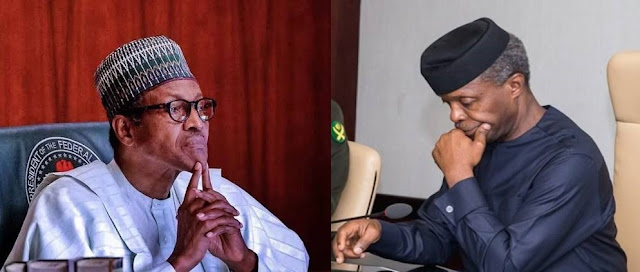
A fellow member of his own party, now the First Lady, responded with the now famous words:
"Are you in PDP? Ehn? Are you a wolf in sheep clothing?"
A man was speaking about killings, kidnappings, and national fear, yet his colleague reduced it to party loyalty.
That moment captured the tragedy of Nigerian politics.
Security warnings were treated as political attacks instead of life-saving information.
THE YORUBA WARNING WE IGNORED
The Yoruba proverb:
"Iku to pa ojugba eni, owe lo pa fun ni."
is not just cultural wisdom.
It is a national warning system.
It teaches that the tragedy happening around us is a message to prepare, to act, and to take danger seriously.
When communities in Borno, Zamfara, Kaduna, and Niger were being attacked, many Nigerians looked away.
When farmers were being killed in Plateau, Benue, and Taraba, some dismissed it as farmer-herder clashes.
When activists raised alarm, they were insulted or flagged on social media.
But insecurity always moves from the margins to the centre.
From rural areas to cities.
From one region to another.
From their problem to our problem.
Today, Kwara, Oyo, Ekiti, Ondo, and even Lagos are reporting attacks.
A teacher was recently beheaded after being kidnapped with students.
Children remain in captivity.
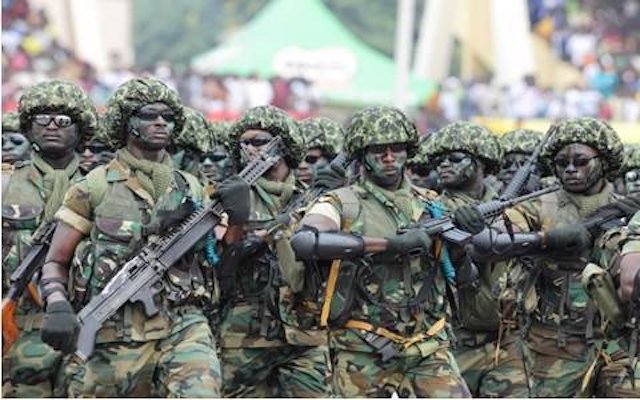
Highways, schools, farms, and urban communities are now targets.
The proverb has come full circle.
The message we ignored has arrived.
HISTORICAL WARNINGS NIGERIA IGNORED
Nigeria's insecurity crisis did not appear suddenly.
It grew from a long pattern of ignored warnings:
Boko Haram was dismissed as a harmless sect until it became a global threat responsible for severe harm, loss of life, and human rights violations.
Banditry in Zamfara and Katsina was ignored until it spread across multiple states.
Farmer-herder violence was downplayed until it reached the South.
Kidnapping began in the Niger Delta and was ignored until it became a nationwide industry.
ISWAP expansion was warned about but not taken seriously until they built parallel governance.
Rural attacks were ignored until cities became targets.
Every ignored warning became a future tragedy.
FROM "WHERE ARE THE COWS?" TO SHIFTING BLAME
Before the killing of Mrs Funke Olakunrin (may her soul rest in peace), many Nigerians had already been kidnapped or killed.
Yet when concerns were raised, the now President responded with:
"Where are the cows?"
Today, the same people are now claiming that opposition parties may be behind some of the insecurity or killings happening in the country.
So those their so-called prodigal sons, sugarcoated instead of being called violent groups responsible for severe harm, loss of life, and human rights violations, do not come attacking with cows?
So which one is it?
Do attackers come with cows or with party cards?
The truth is that insecurity has never been about cows or political parties.
It has always been about violent groups who do not value human life.
SELECTIVE OUTRAGE AND THE SILENCE OF THE INFLUENTIAL
Many of the loud voices today were silent when the victims were not from their tribe, religion, or political camp.
Some celebrities, the yeyebrities, avoided speaking about insecurity to protect their brand or avoid political backlash.
But insecurity does not care about neutrality.
It does not care about endorsements.
It does not care about silence.
When their relatives became victims, they suddenly found their voices.
THIS IS BIGGER THAN APC OR PDP
Insecurity did not start with this administration.
It did not start with APC.
It did not start with PDP.
It is a long-growing monster fed by:
Political denial
Corruption
Weak institutions
Tribal politics
Citizens who defend politicians more than they defend their own lives
Changing political parties will not solve insecurity.
Only uprooting the root causes, dismantling networks, prosecuting sponsors, strengthening intelligence, and supporting security agencies without political interference will make a difference.
A CALL TO NIGERIANS
It is time for Nigerians to separate:
Support for political parties
from
Support for the country
Violent groups responsible for severe harm, loss of life, and human rights violations do not ask for party membership cards.
They do not care who you voted for.
They do not care about your hashtags.
Some of those kidnapped or killed were once supporters of politicians who ignored their cries.
The warning was there.
Many mocked it.
Many ignored it.
Many politicised it.
Today, Nigeria is paying the price.
Lives are at stake.
And no political victory is worth more than the safety and future of the Nigerian people.
DISCLAIMER
This article is not written to demean anyone or to support any political party or politician. It is driven by concern about the growing insecurity in the country and the need for those who seek to govern to avoid playing politics with issues that affect lives. Small problems that are ignored or politicised always grow into bigger national crises.




 Posts
Posts


Comments
Post a Comment