


The successful return of the students and teachers abducted in Ogbomoso, Oyo State, after nearly two months in captivity is a moment of relief for their families and for every Nigerian, especially the people of the South-West. It is also a reminder that despite the enormous security challenges facing our country, there are brave men and women who are willing to put their own lives on the line to protect others.
From the very beginning of this unfortunate incident, I maintained one position: I did not believe this case would become another Chibok. In my view, allowing kidnapping to become a successful model in the South-West would create a dangerous precedent and encourage more abductions in Southern Nigeria. That is why I believed patience was necessary while those responsible for securing the victims' freedom carried out their work.

As more information continues to emerge, it is important to allow the official facts to be established before reaching final conclusions about every aspect of the operation. Whatever combination of intelligence, negotiations, military pressure, community engagement, or other efforts contributed to the return of the students and teachers, the greatest victory is that innocent people are back home with their families.
Hostage situations are among the most difficult security operations anywhere in the world. They require intelligence gathering, surveillance, patience, careful planning, coordination among multiple security agencies, and discipline under enormous pressure. Such operations cannot simply be rushed because of public pressure or social media demands. The priority must always be the safe return of the victims.
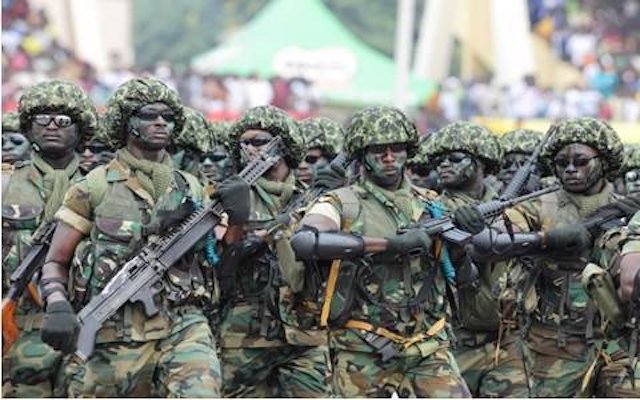
There have also been reports that security personnel may have lost their lives during efforts connected with this incident. If those reports are confirmed, those brave men and women deserve our deepest respect and gratitude. Anyone who sacrifices his or her life in the line of duty while protecting innocent Nigerians deserves to be honoured before anyone else claims the glory.

As we celebrate the return of the students and teachers, we must also remember that every fallen service member leaves behind a family. Behind every uniform is someone's child, spouse, parent, brother, or sister. While many families have been joyfully reunited with their loved ones, other families may have paid the highest price in service to our nation.
If anyone deserves the greatest honour in any security operation, it is the men and women who risk their lives and, where it occurs, those who make the ultimate sacrifice. Their courage cannot be measured by social media posts, political arguments, or online popularity. It is measured by their willingness to place themselves in harm's way so that others may live.
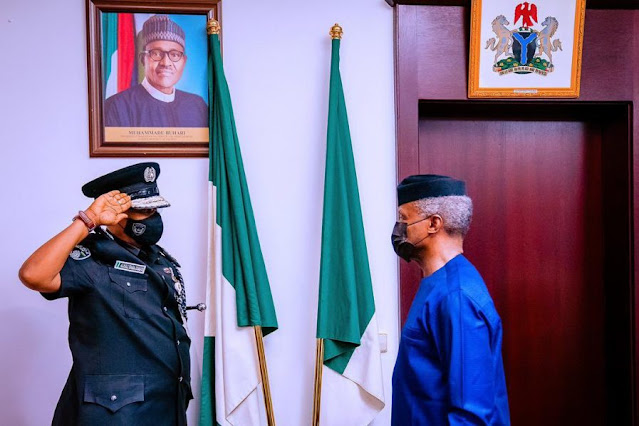
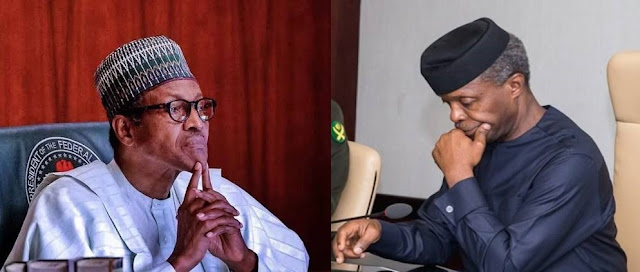
From the beginning of this crisis, both the President of the Federal Republic of Nigeria and the Governor of Oyo State publicly assured Nigerians that every effort would be made to secure the safe return of the victims. Leadership during times of crisis matters, and those who carry the constitutional responsibility of protecting lives deserve recognition when they remain committed to that duty.
For this reason, I believe credit should be given where it is genuinely due:

What I do not agree with is the attempt by some individuals to rewrite the story by suggesting that the successful outcome should be credited primarily to those who organised protests or dominated discussions on social media. Peaceful protest is a constitutional right and can help keep public attention on an issue. It has an important place in every democracy. However, we should be careful not to overlook those who work behind the scenes simply because their work is less visible.
It is also important that Nigerians learn to distinguish between genuine public advocacy and the modern culture of monetised online content.
Today, many social media platforms reward engagement with money. Every breaking news story can become content. Every tragedy can become a livestream. Every national crisis can become an opportunity for views, followers, subscriptions, donations, advertising revenue, and online influence. That reality should encourage Nigerians to think carefully before automatically treating the loudest voices online as the greatest contributors.
A similar principle can also be seen in religion. Throughout history, there have been faithful pastors, priests, imams, and other religious leaders who genuinely answered a calling to serve God and humanity. At the same time, there have also been individuals who entered religious leadership because of the influence, recognition, or financial benefits that can accompany such positions. If there were no tithes, offerings, donations, or other financial rewards, it would become easier to distinguish those serving primarily out of conviction from those motivated mainly by personal gain.
In the same way, social media monetisation has changed the landscape of public commentary and activism. Genuine activism existed long before YouTube, Facebook, TikTok, Instagram, and X introduced opportunities to earn money from online engagement. Many courageous activists fought for justice knowing they could be imprisoned, persecuted, or even lose their lives. They expected no advertising revenue, sponsorships, subscriptions, or online fame. Some of those genuine activists are still with us today. Their commitment speaks louder than popularity because they continued their work before monetisation and would likely continue even without it.
This is not to say that every content creator lacks integrity or is part of the so-called "Olodo uprising." Many genuinely educate the public and raise important issues. However, monetisation has undeniably changed the online environment. It has also created incentives that did not previously exist. In my opinion, if monetisation disappeared tomorrow, Nigerians would more easily distinguish those who would continue speaking because they genuinely believe in a cause from those whose online presence depends largely on financial rewards. I use the term "Olodo Uprising" to describe what I see as a growing culture among some celebrities, content creators, activists, politicians, and other public figures who, in my opinion, use their fame rather than sufficient knowledge, expertise, or careful research to shape public opinion on complex national issues. In my view, some comment on almost every trending topic, even outside their areas of expertise, because controversy and constant engagement can generate views, traffic, influence, and income through social media monetisation. I also believe this can influence some followers who accept such opinions without deeply verifying the facts themselves.
True conviction survives even when there is no money attached to it. That is why Nigerians should be careful not to confuse visibility with sacrifice. Speaking into a camera is not the same as working behind the scenes to resolve a crisis. Going viral is not the same as risking one's life to protect innocent people. Recognition should be based on verified contributions, not simply on who attracts the most online attention.
The Ogbomoso incident should remind us that national security is too important to become a competition for publicity or personal branding. The greatest victory is not who receives the applause on social media. The greatest victory is that students and teachers have returned safely to their families.
As more verified information becomes available, we should remain guided by the facts. But one principle should never change: those who genuinely serve, those who make real sacrifices, and especially those who give their lives in the service of others deserve the highest honour.
HONOUR THE FALLEN HEROES — WHEREVER SUCH SACRIFICES ARE MADE.
THEY PAID THE PRICE THAT OTHERS MIGHT LIVE.
GIVE CREDIT WHERE IT IS DUE.
THE GREATEST VICTORY IS THAT THE STUDENTS AND TEACHERS ARE BACK HOME WITH THEIR FAMILIES.

May God comfort every family affected by this tragedy, strengthen those who continue to protect our nation, grant healing to those who were rescued, and bless the Federal Republic of Nigeria.
HUMANITY FIRST.




.jpeg)

 Posts
Posts


Comments
Post a Comment