


Supporting Failure and Expecting the Dividends of Democracy: Why Competence Matters More Than Political Parties
Recently, someone I respected engaged me in a conversation aimed at convincing me to support and campaign for certain political leaders and candidates. During the discussion, the person tried to portray some of these leaders as good and deserving of continued public support. As I listened carefully, one question kept coming to my mind. Why do people continue supporting failure and still expect good governance.

Many of the politicians being defended today are not new faces in the system. Some have been part of leadership, government structures, or political influence for more than twenty years without any tangible achievements to show for it. Some have occupied public offices directly, while others have remained closely connected to those in power and have benefited from the system for decades. Yet despite all the opportunities, influence, and access to authority they have enjoyed, there is little meaningful development to point to, especially within their own local communities, let alone at the state or national level.
The painful reality is that many citizens continue defending leaders who have failed to improve even the basic living conditions of the people around them. Roads remain poor, unemployment continues rising, insecurity deepens, healthcare systems remain weak, and poverty keeps spreading. Yet political supporters still praise these same leaders as if they are performing miracles.
The fact that some candidates win elections does not automatically mean they are performing well. In many cases, elections are influenced by rigging, vote buying, and the manipulation of poverty. Politicians use the suffering of the masses as a weapon to buy votes. This is one of the reasons many leaders do not truly want people to become educated or enlightened enough to understand their rights and hold leaders accountable.
What many Nigerians are begging the government to provide are not favours. They are basic rights and social amenities that every responsible government is supposed to provide, such as good roads, electricity, water, healthcare, education, employment opportunities, and security. Unfortunately, these necessities are often turned into political tools to deceive people into believing that leaders are performing.
In my travels abroad, I have never seen citizens celebrating because their government constructed roads, provided electricity, water, or hospitals. People do not worship leaders for doing their duties because those are the responsibilities of government. It is mainly in countries like Nigeria that leaders and their supporters expect citizens to praise and worship them for doing what they were elected to do in the first place.
Nobody forced politicians to contest elections. They chose to run because they claimed they wanted to contribute to the development of the country and improve the lives of the people. A true leader serves with patriotism and vision and can become immortalised in history for positive contributions to society.
During the discussion, I also explained that many political supporters defend bad leaders because they are benefiting from crumbs falling from the table of those politicians. But the real question is this. Can those crumbs sustain their future or the future of their generations.
Many people only realise they are supporting failure when tragedy affects them personally. They understand the consequences when they become victims of the same failed system they defended. For example, when they or their loved ones become seriously ill and discover that public hospitals lack equipment, quality healthcare, or qualified personnel, reality begins to dawn on them. Some are then forced to seek treatment in expensive private hospitals they can barely afford.
When kidnappers attack their communities while the politicians they support continue moving around with heavy security protection for themselves and their families, people begin to understand the true meaning of failed leadership. When roads become impassable, unemployment increases, businesses collapse, and hardship deepens while leaders continue enriching themselves, many finally realise they were supporting individuals who never truly cared about the masses.
It is unfortunate that temporary benefits, small handouts, and political crumbs often blind people from thinking critically. Many lose their sense of reasoning because of short term survival. But a nation cannot progress when citizens continue defending selfish leaders who prioritise personal wealth, family interests, and luxury over national development.
I always say this clearly. Do not support political parties blindly. Support candidates who can genuinely perform, not political parties. Many politicians today move from one party to another without ideology, principles, or consistency. They behave like political prostitutes whose only interest is power.
No human being is completely perfect or saintly, but some leaders are more prepared and willing to work for the people, even if they also have personal interests. Others simply want power because politics is the only business they know. Many have no meaningful achievements, successful businesses, or credible records worthy of public trust, yet they desperately seek political office only for personal gain.
Recently, I watched a news report about a nightclub in Lagos looking to recruit new employees. The number of applicants gathered outside under the hot sun was alarming. The crowd was filled with graduates, including Bachelor’s degree holders and Master’s degree holders, all competing for jobs in a nightclub just to survive. It would not even be surprising if PhD holders were among them competing alongside secondary school graduates.
This situation exposes the painful level of unemployment in the country. It also proves that many Nigerians genuinely want to work and earn a decent living, but there are simply not enough opportunities. That is why many people are forced into survival lifestyles, including becoming bloggers, content creators, or online influencers spreading misinformation just to make money in a difficult economy. Some even use social media fame as camouflage to allegedly launder money for corrupt politicians, scammers, or other questionable individuals.
One thing I have also observed is how many politicians behave differently abroad. When they travel to developed countries, they respect the system, obey the law, and act humble and civilised. But immediately they step back into Nigeria through the airport, arrogance returns. Suddenly, they move around with large entourages and begin demanding special treatment, saying things like “Do you know who I am.” These are words they would never dare to utter abroad.
Outside Nigeria, many of them behave quietly and respectfully because institutions abroad are stronger than individuals. But back home, they misuse power because they know the system is weak. They enjoy a society where poverty allows people to worship them and even worship their children, many of whom have never worked hard or contributed anything meaningful to society.
Their happiness often comes from seeing citizens dependent on them instead of seeing the country function properly. In many developed countries, it is difficult to immediately distinguish between the rich and the poor because systems work for everyone. But in countries like Nigeria, the gap is painfully obvious because leaders deliberately maintain inequality and suffering for political control.
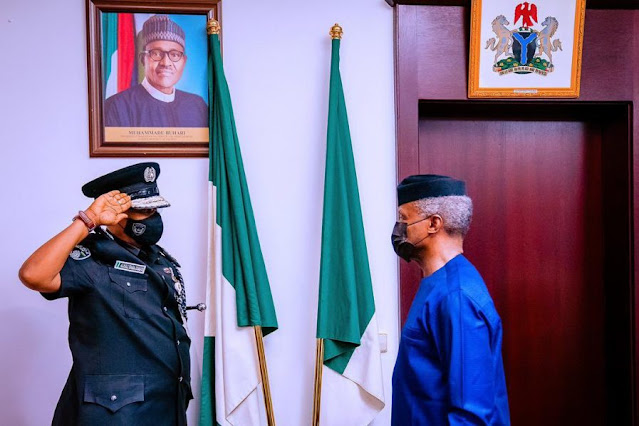
Many politicians, celebrities, religious leaders, wealthy individuals, bloggers with connections, and even thugs have turned law enforcement agencies into personal servants. We see this happening every day. They treat police officers and security personnel like errand boys or domestic workers. Even law enforcement officers are sometimes afraid to perform their constitutional duties whenever powerful individuals are involved.
These are behaviours that would rarely happen in the developed countries these same politicians constantly visit or where many of their children, relatives, and family members live comfortably while enjoying the true meaning of the dividends of democracy. These are the same dividends they deny ordinary citizens who vote for them and worship them like demi gods.
Why do they obey laws abroad but misuse authority at home. Why do they not intimidate police officers or abuse systems overseas the way they do in Nigeria and many African countries. The answer is simple. Functioning institutions abroad do not tolerate abuse of power, while weak institutions at home allow political arrogance and impunity to thrive.
Nigeria and many developing nations need citizens who are politically conscious, enlightened, and courageous enough to demand accountability from leaders. Good governance is not a favour. It is a responsibility.
To summarise everything, if citizens truly want to enjoy the real dividends of democracy, they must stop sacrificing the future of the country for blind political loyalty. Some African leaders already openly or indirectly suggest that democracy is not suitable for Africa, mainly because genuine democracy threatens dictatorship, corruption, and abuse of power.
Citizens must begin to understand that the future of the country is too important to be sacrificed for blind loyalty to political parties. At this stage of Nigeria’s development, candidates matter more than political parties. Political parties in Nigeria today often lack ideology, discipline, and long term vision. That is why many politicians move from one party to another whenever it suits their personal interests, behaving like political prostitutes without principles or consistency.
Yes, many citizens no longer fully trust politicians because experience has shown that some candidates who appear promising today may later decamp to ruling parties or more powerful political platforms tomorrow. However, despite this unfortunate reality, citizens must still learn to identify and support candidates who at least show competence, vision, capacity, compassion, and willingness to perform.
Even if such candidates later move to another political party, their commitment to development and good governance may still remain. What matters most to ordinary citizens is not the logo of a political party but whether the people in power can improve roads, healthcare, education, electricity, security, employment opportunities, and the general standard of living.
Democracy is supposed to benefit the people, not political elites alone. The real dividend of democracy is not slogans, propaganda, rice during elections, or temporary handouts. The true dividend of democracy is when citizens can live with dignity, safety, opportunity, justice, and hope for a better future.
Citizens must stop worshipping politicians and start demanding accountability from them. Leaders are public servants, not kings or gods. Elections should not be based on tribe, religion, political party, or emotional sentiments alone. They should be based on competence, character, track record, and genuine concern for the people.
Nigeria and many developing nations can only move forward when citizens become politically conscious enough to reject bad leadership, resist manipulation, and vote wisely. A better society is possible when voters prioritise performance over party loyalty and hold every leader accountable regardless of political affiliation.
At the end of the day, the goal should be simple. Let the people enjoy the true dividends of democracy.
–––––––––––––––––––––––––-
DISCLAIMER
This article is written purely for argument, civic reflection, and public discussion. It is not intended to attack, insult, or defame any person, group, or institution. The purpose is to encourage constructive dialogue about governance, poverty, accountability, and democratic responsibility. All examples and references are used to illustrate social realities and provoke thought, not to target or disrespect anyone.




 Posts
Posts


Comments
Post a Comment